300 YEARS
of medical progress at Guy’s Hospital
Many will know Guy’s most renowned breakthroughs, from Addison’s Disease to keyhole surgery, but the hospital has changed medicine in more ways than you might know.
1726
This year marks Guy’s Hospital’s 300th anniversary. Since opening its doors to the public in 1726, Guy’s has been at the forefront of multiple medical milestones. Guy’s Hospital and its associated Medical School, which became part of King’s after a merger in 1998, have played a key role in educating the bright minds behind these breakthroughs.
Join us for a tour through Guy’s extensive body of work, where we dissect and reflect on just some of its remarkable discoveries, from the ‘Gravitator’ to the da Vinci robot doctors.
1818
Breakthroughs in blood transfusions
In 1818, obstetrician James Blundell performed a successful transfusion on a woman dying from a post-partum haemorrhage at Guy’s. Blundell transferred blood to the patient from her husband through an instrument called the ‘Gravitator’, which he invented himself.
The Gravitator’s genius lay in its simplicity. Made from a funnel, tube, and syringe, this aptly named contraption used the power of gravity to transmit blood from donor to patient. James Blundell’s legacy transfuses through the generations, with Guy’s teams continuing his life-saving work.
In 2025, Guy’s and St Thomas’ became the first hospital in the UK to treat Haemophilia B through gene therapy. Consultant Haematologist Dr Pu-Lin Luo led the transfusion on a 44-year-old male patient, using a medicine called Hemgenix.
Haemophilia B patients are born with a non-working version of the factor IX gene, which helps prevent excessive bleeding. Hemgenix corrects this by creating a working version of this gene. This is transfused into the patient in a one-off procedure and becomes encoded in their DNA.
The Gravitator’s genius lay in its simplicity. Made from a funnel, tube and syringe, this aptly named contraption used the power of gravity to transmit blood from donor to patient. James Blundell’s legacy transfuses through the generations, with Guy’s teams continuing his life-saving work.
In 2025, Guy’s and St Thomas’ became the first hospital in the UK to treat Haemophilia B through gene therapy. Consultant Haematologist Dr Pu-Lin Luo led the transfusion on a 44-year-old male patient, using a medicine called Hemgenix.
Haemophilia B patients are born with a non-working version of the factor IX gene, which helps prevent excessive bleeding. Hemgenix corrects this by creating a working version of this gene. This is transfused into the patient in a one-off procedure and becomes encoded in their DNA.
1937
Helping transplant patients meet their match
In 1937, Guy’s immunologist Dr Peter Gorer identified the key role certain molecules play in recognising one animal’s tissue from another. This would form the basis of tissue typing – a blood test that determines compatibility between transplant patients and potential donors.
Tissue typing commonly involves DNA sequencing: identifying genetic information in a specific segment of DNA to help doctors find matches for transplants.
30 years after Dr Gorer’s discovery, Guy’s doctors undertook the first kidney transplant in the south Thames region. Then, in 2015, Dr Nizam Mamode continued this legacy by leading the UK’s first kidney transplant using robot-assisted keyhole surgery.
1979
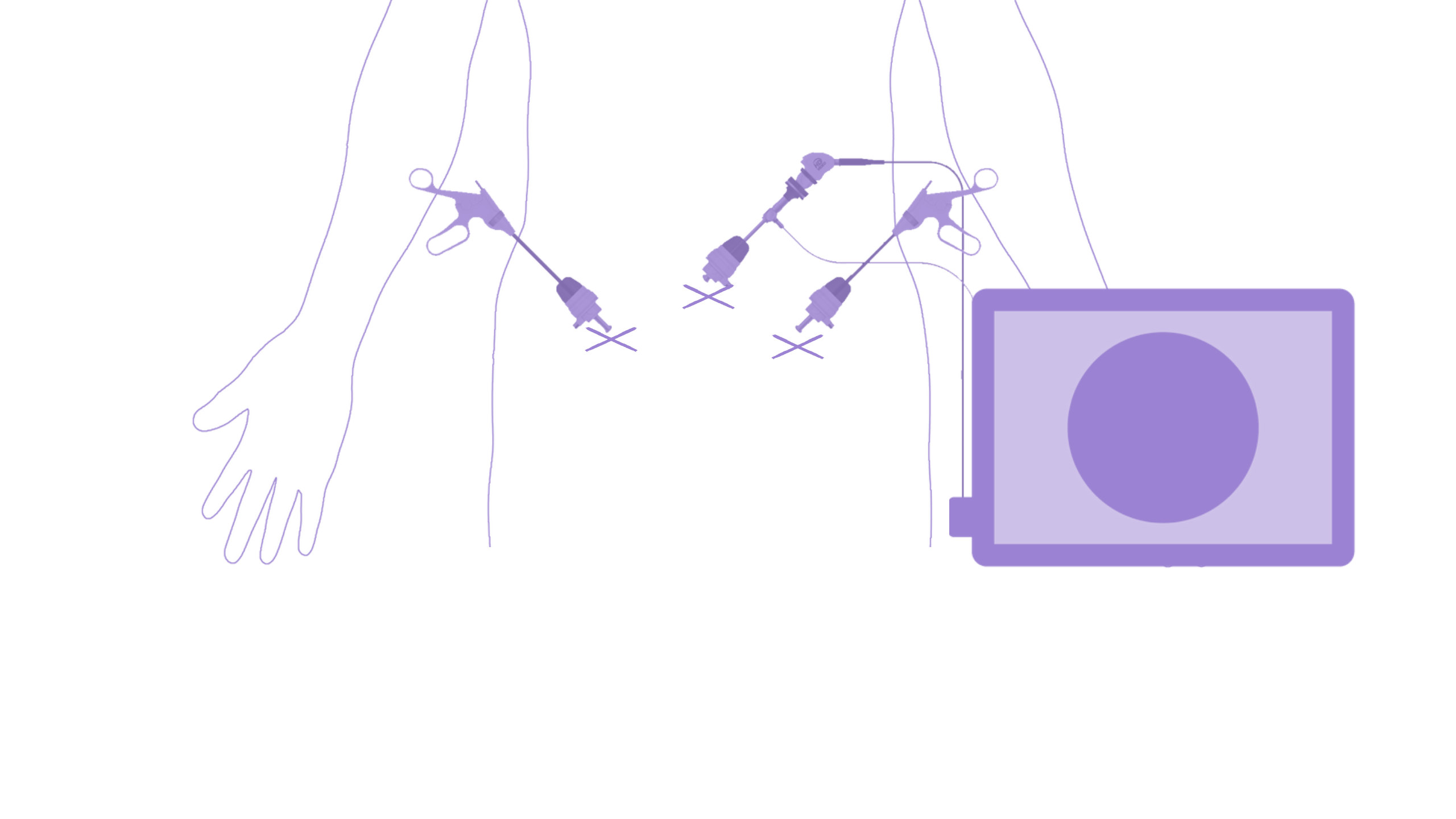
Through the keyhole
This was not the first of the vital contributions to keyhole surgery made at Guy’s.
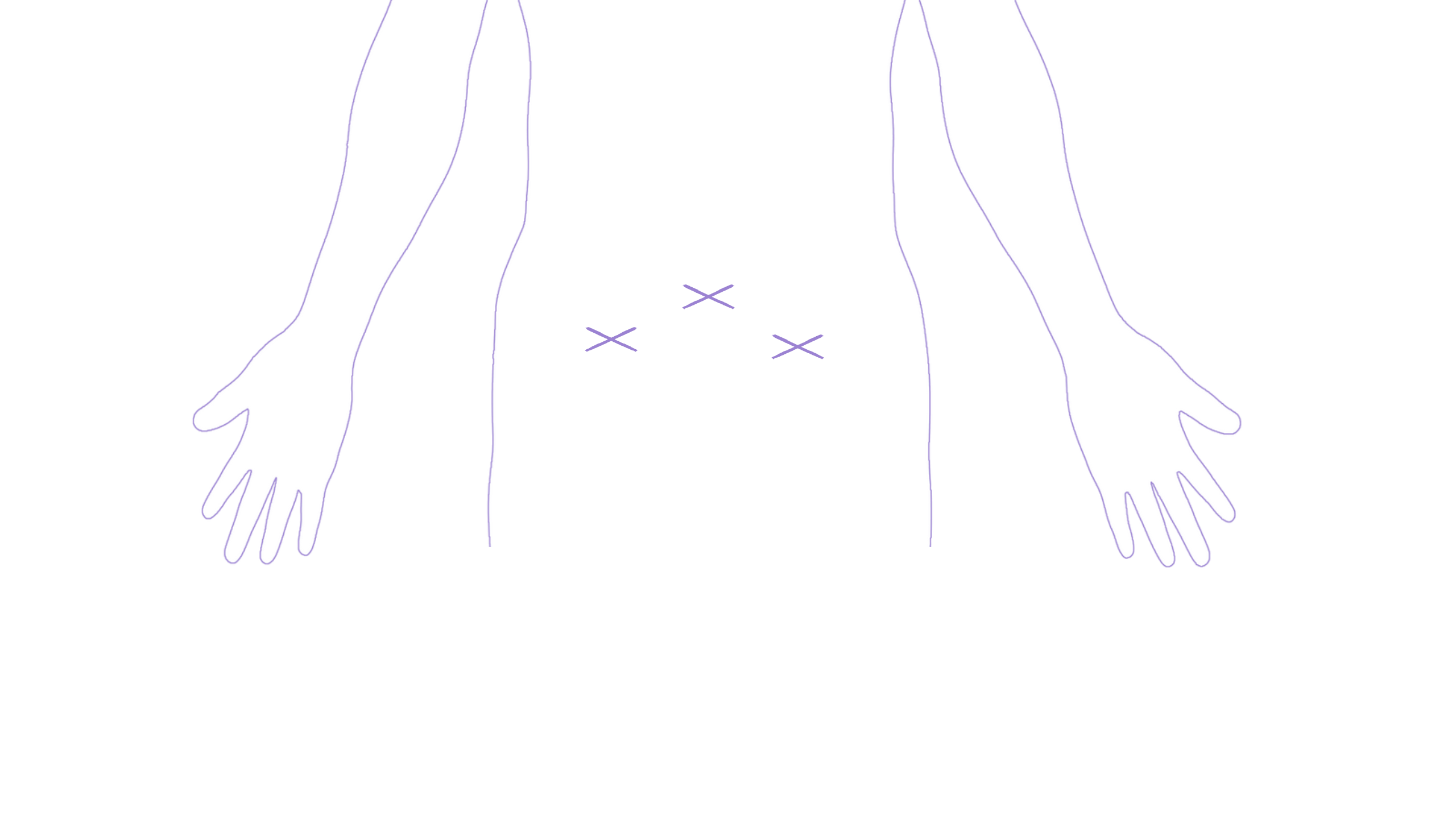
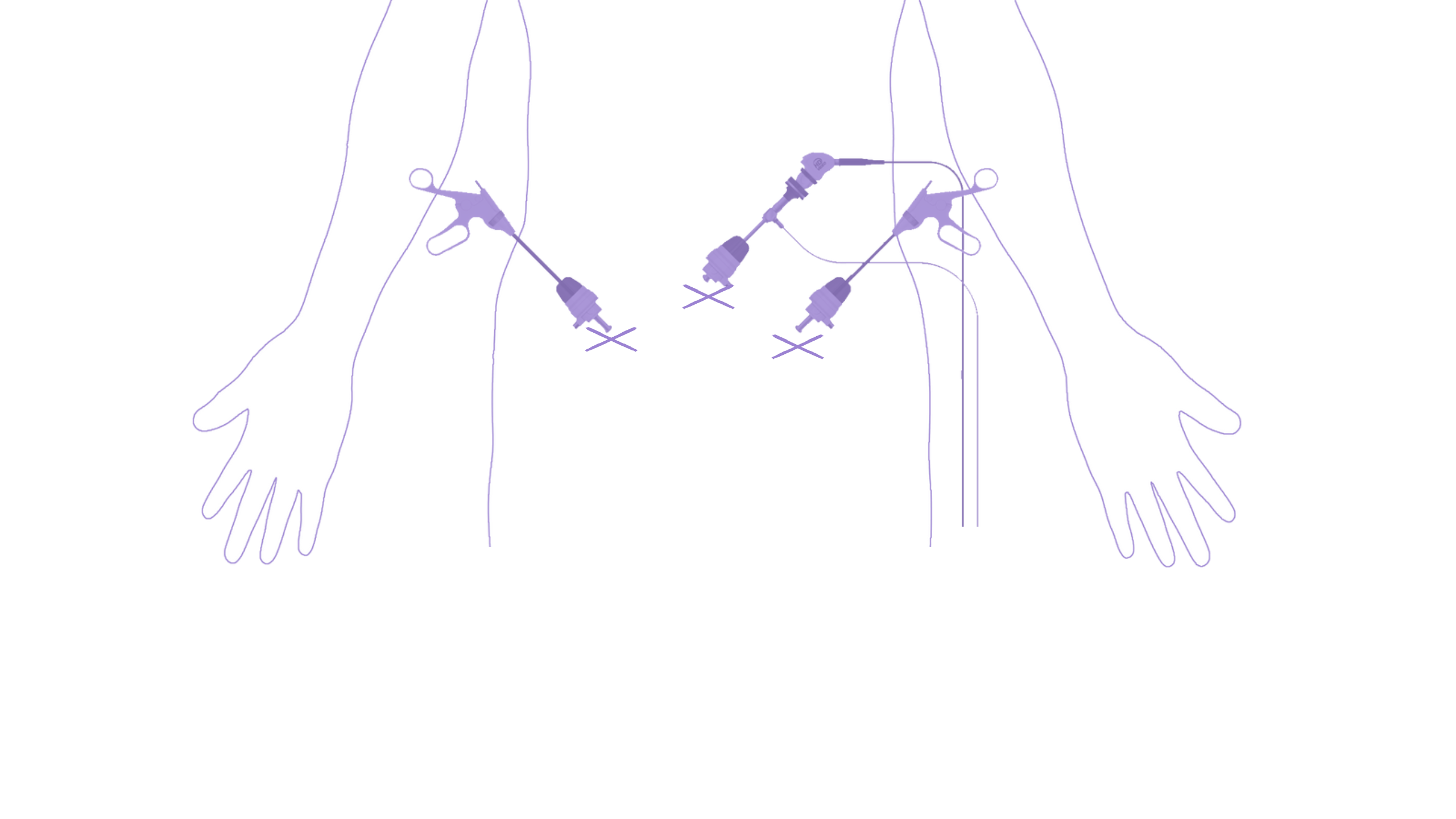
In 1979, Dr John Wickham led the first keyhole procedure for a kidney stone. A world-leading figure in his field, Dr Wickham was based at the Institute of Urology, then affiliated with Guy’s.
Expertise in keyhole surgery has since expanded exponentially, with Guy’s surgeons now using the technique to operate across the chest, abdomen and pelvis.
1992
Enter the robot era
1992 marked the birth of the prostate robot, or PROBOT, ushering in an exciting new era for keyhole surgery. Created at Imperial College London, the PROBOT was used to perform the world’s first prostatic keyhole surgery at Guy’s.
The PROBOT’s successor, the da Vinci Surgical System, was installed in 2004.
The robots are designed to replicate the movements of their human counterparts and provide surgeons with a high-definition view as they operate. The system allows for greater precision and dexterity, typically leading to less blood loss, reduced pain and a lower risk of infection than manual operations.
The robots are designed to replicate the movements of their human counterparts and provide surgeons with a high-definition view as they operate. The system allows for greater precision and dexterity, typically leading to less blood loss, reduced pain and a lower risk of infection than manual operations.
Pioneered by Consultant Urologist Professor Dr Prokar Dasgupta, Guy’s is now home to the largest robotics programme in the UK. By 2023, the team had completed a staggering 10,000 cases using the da Vinci Surgical System.
2018
Breaking ground in cancer care
While working at Guy’s, Thomas Hodgkin identified Hodgkin lymphoma, a type of blood cancer which affects the lymph nodes. The discovery set a precedent for the groundbreaking research into cancer care that has happened at the hospital.
Our £160 million Cancer Centre brings together expertise in cancer care under one roof.
In 2018, Guy’s cancer experts led the first remote-assisted robotic surgery on a prostate cancer patient, using an augmented reality platform called Proximie.
Proximie lets experts provide support to medical teams from anywhere in the world. Surgeons were able to connect with Professor Dasgupta, who lent his expertise from afar, guiding urology registrar Warren Lo through the procedure.
In 2018, Guy’s cancer experts led the first remote-assisted robotic surgery on a prostate cancer patient, using an augmented reality platform called Proximie.
Proximie lets experts provide support to medical teams from anywhere in the world. Surgeons were able to connect with Professor Dasgupta, who lent his expertise from afar, guiding urology registrar Warren Lo through the procedure.
‘The technology means that I felt like I was in the room – I could see clearly what was going on and what the team was doing. Proximie has been used to help treat patients in war zones before, which shows how directing medical care remotely can be lifesaving.’
Professor Dasgupta
‘The technology means that I felt like I was in the room – I could see clearly what was going on and what the team was doing. Proximie has been used to help treat patients in war zones before, which shows how directing medical care remotely can be lifesaving.’
Professor Dasgupta
As well as creating an environment for these major advances, the building itself is also game-changing. Designed in collaboration with patients, the centre is focused on wellbeing and is home to Europe’s first above-ground radiotherapy facility.
To protect staff, patients and hospital visitors from the harmful impact of high-energy radiation, radiotherapy usually takes place in shielded rooms or ‘bunkers’ below ground level. Guy’s is the first cancer centre in Europe to offer safe and effective above-ground radiotherapy, making a significant difference to patients’ wellbeing.
As well as creating an environment for these major advances, the building itself is also game-changing. Designed in collaboration with patients, the centre is focused on wellbeing and is home to Europe’s first above-ground radiotherapy facility.
To protect staff, patients and hospital visitors from the harmful impact of high-energy radiation, radiotherapy usually takes place in shielded rooms or ‘bunkers’ below ground level. Guy’s is the first cancer centre in Europe to offer safe and effective above-ground radiotherapy, making a significant difference to patients’ wellbeing.
2025
A view from the tallest tower
Our final stop takes us to the top of Guy’s Tower Wing, formerly known as Guy’s Tower.
Built in 1974, the Tower Wing held the title of the tallest hospital building in the world for over 50 years. It is second only to Hospital Angeles Andares in Mexico, which took the top spot in 2025. At a staggering 148.65 metres high, the Tower Wing is a fitting metaphor for Guy’s towering track record in healthcare over the last 300 years.
Built in 1974, the Tower Wing held the title of the tallest hospital building in the world for over 50 years. It is second only to Hospital Angeles Andares in Mexico, which took the top spot in 2025. At a staggering 148.65 metres high, the Tower Wing is a fitting metaphor for Guy’s towering track record in healthcare over the last 300 years.
300 years and counting
Guy’s celebrated its 300th birthday in style last month, bringing attendees with connections to the hospital together for a week of informative talks and celebrations across the campus. Guests enjoyed a reception, gala dinner and dance at the Park Plaza Hotel in Westminster at the end of the week.
A Guy’s 300th appeal has also been launched to support talented healthcare students from diverse backgrounds. Distributed through the Health faculties at King’s, this funding will play a pivotal part in educating the next generation of clinicians, researchers and scientists at Guy’s.
When it comes to Guy’s Hospital’s accomplishments, we are only just scratching the surface. If you’ve enjoyed our brief journey through Guy’s history, why not help shape its future?
EDITORIAL TEAM
Teresa Richards
Ben Squire
Ellie Stone
WRITERS
Kelly Archer
Emily Barton
Hermione Cameron
Kate Denereaz
Kate Hazlehurst
Joely Langston
DESIGN
Principal design by Jonathan Vickers
Additional design by Harpoon Productions and Carly Yung
Photography by Nathan Clarke and Jim Winslet
All building images and design examples for Bush House South West Wing reflect architectural concepts and may be subject to change. Architectural concepts © Kohn Pederson Fox Associates and Plomp.
WITH SPECIAL THANKS TO
Paul Brooks
JH Norris
ALUMNI & EDITORIAL OFFICE
King’s College London
57 Waterloo Road,
London,
SE1 8WA
© King’s College London 2026
InTouch is published by the University’s Philanthropy & Alumni Engagement department. The opinions expressed in it are those of the writers and not necessarily those of the University.
If you have a story for our Autumn 2026 issue, email us at forever@kcl.ac.uk.
Terms & Conditions | Privacy Policy | Cookie Policy | Accessibility Statement
EDITORIAL TEAM
Teresa Richards
Ellie Stone
Ben Squire
WRITERS
Kelly Archer
Emily Barton
Hermione Cameron
Kate Denereaz
Kate Hazlehurst
Joely Langston
DESIGN
Principal design by Jonathan Vickers
Additional design by Harpoon Productions and Carly Yung
Photography by Nathan Clarke and Jim Winslet
All building images and design examples for Bush House South West Wing reflect architectural concepts and may be subject to change. Architectural concepts © Kohn Pederson Fox Associates and Plomp.
WITH SPECIAL THANKS TO
Paul Brooks
JH Norris
ALUMNI & EDITORIAL OFFICE
King’s College London
57 Waterloo Road,
London,
SE1 8WA
InTouch is published by the University’s Philanthropy & Alumni Engagement department. The opinions expressed in it are those of the writers and not necessarily those of the University.
If you have a story for our Autumn 2026 issue, email us at forever@kcl.ac.uk.
© King’s College London 2026
Terms & Conditions | Privacy Policy | Cookie Policy | Accessibility Statement
 Built with Shorthand