


‘A subject as big as humanity and civilisation and all the mistakes’
George (Bachelor of Divinity, 1982)
The past 180 years have seen huge cultural change in the UK. One of the most notable changes is a distinct shift in the role that religion plays in day-to-day life. Here we examine how King's Department of Theology & Religious Studies has journeyed through those changes.
‘At King’s I … felt that I was stepping into a deep river of accumulated knowledge and a living tradition, without being religious’
George (Bachelor of Divinity, 1982)
King’s origins are rooted in Christianity and the study of religion – and, of course, the famed rivalry with UCL. University College was formed in 1826 explicitly on a ‘no theology policy’, prompting alarmed critics to term it the ‘godless institution of Gower Street’. A few years, much debate and one duel between the prime minister and a discontented earl later, King’s was founded as a Church of England institution.
In the 19th century, the Dean and chapel were at the heart of the University. Some study of divinity was required across all degrees. The focus of the Theological Department was the training of Anglican ordinands for a life in the Church, which continued up until the 1970s.
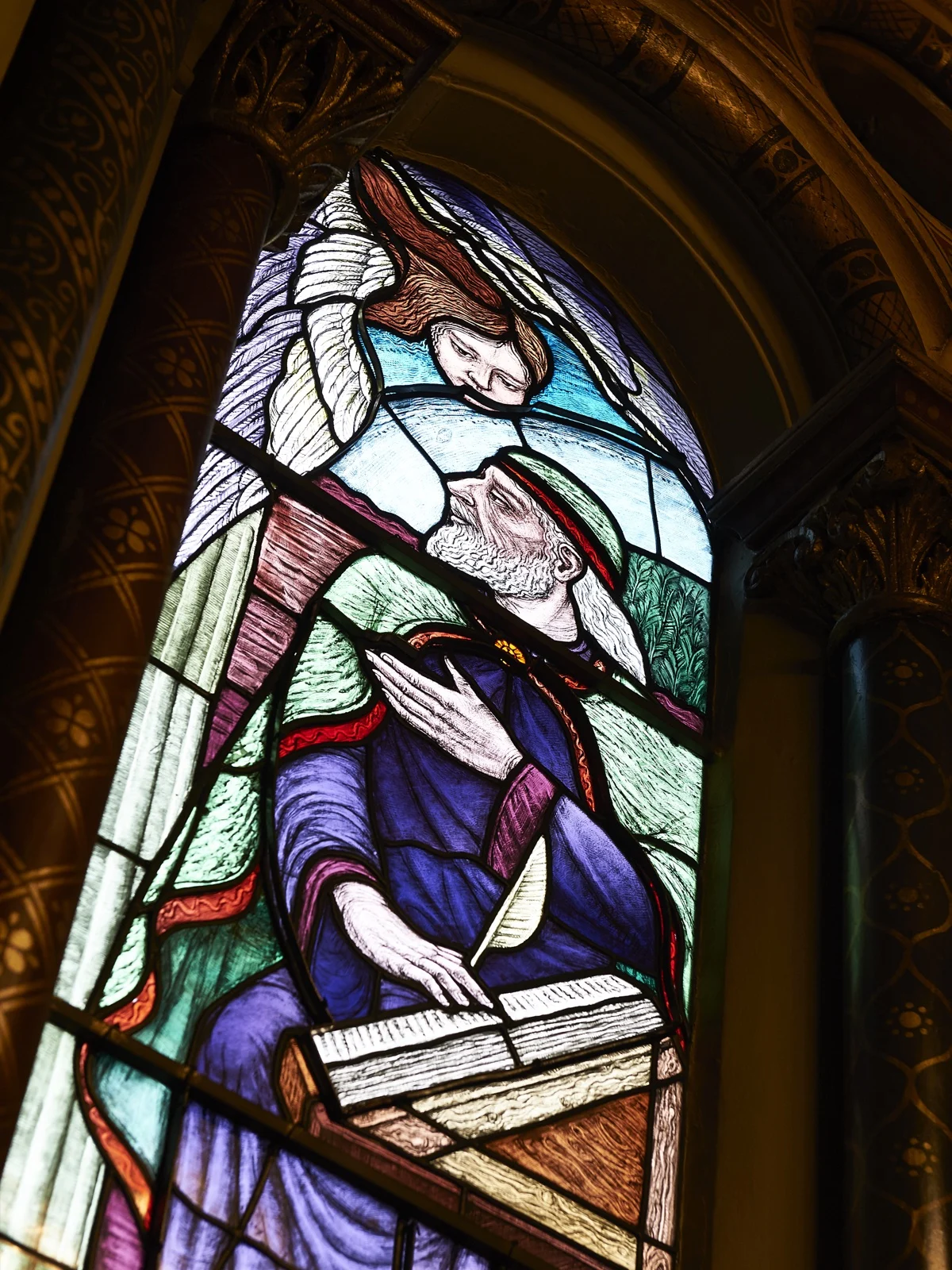
In the course of the 20th century, church attendance in the UK declined, rates of ordination dropped, and the Church of England’s authority over education waned. The department’s focus began to shift away from a curriculum dominated by the needs of Anglican vocational training and towards a more non-denominational Theology and Religious Studies programme, mirroring changes happening across British education.
The sociology of religion became an important new area of teaching and research, and the department’s scope broadened and became more global, taking in the multiplicity of world religions.

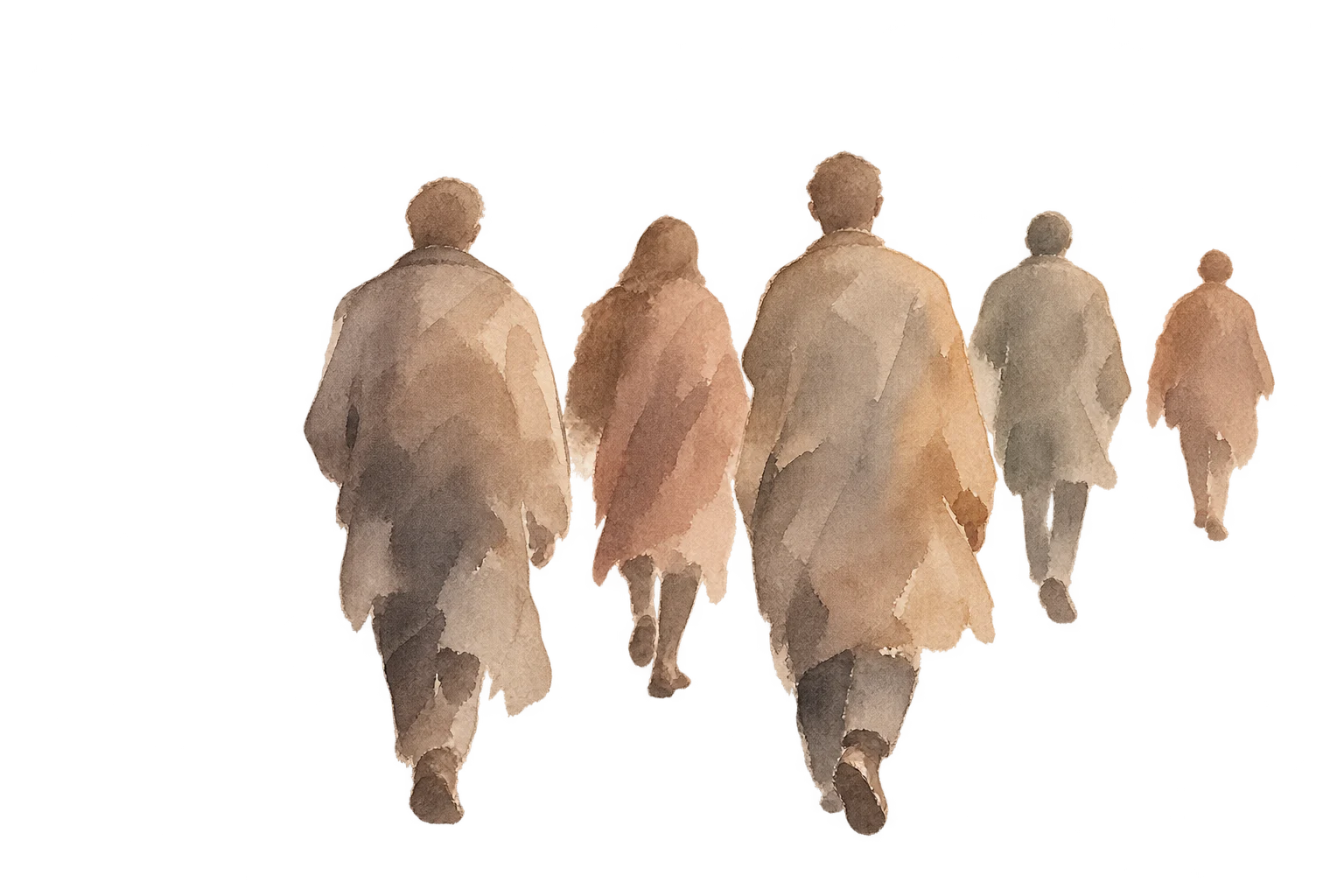
Diversity that reflects the world we live in
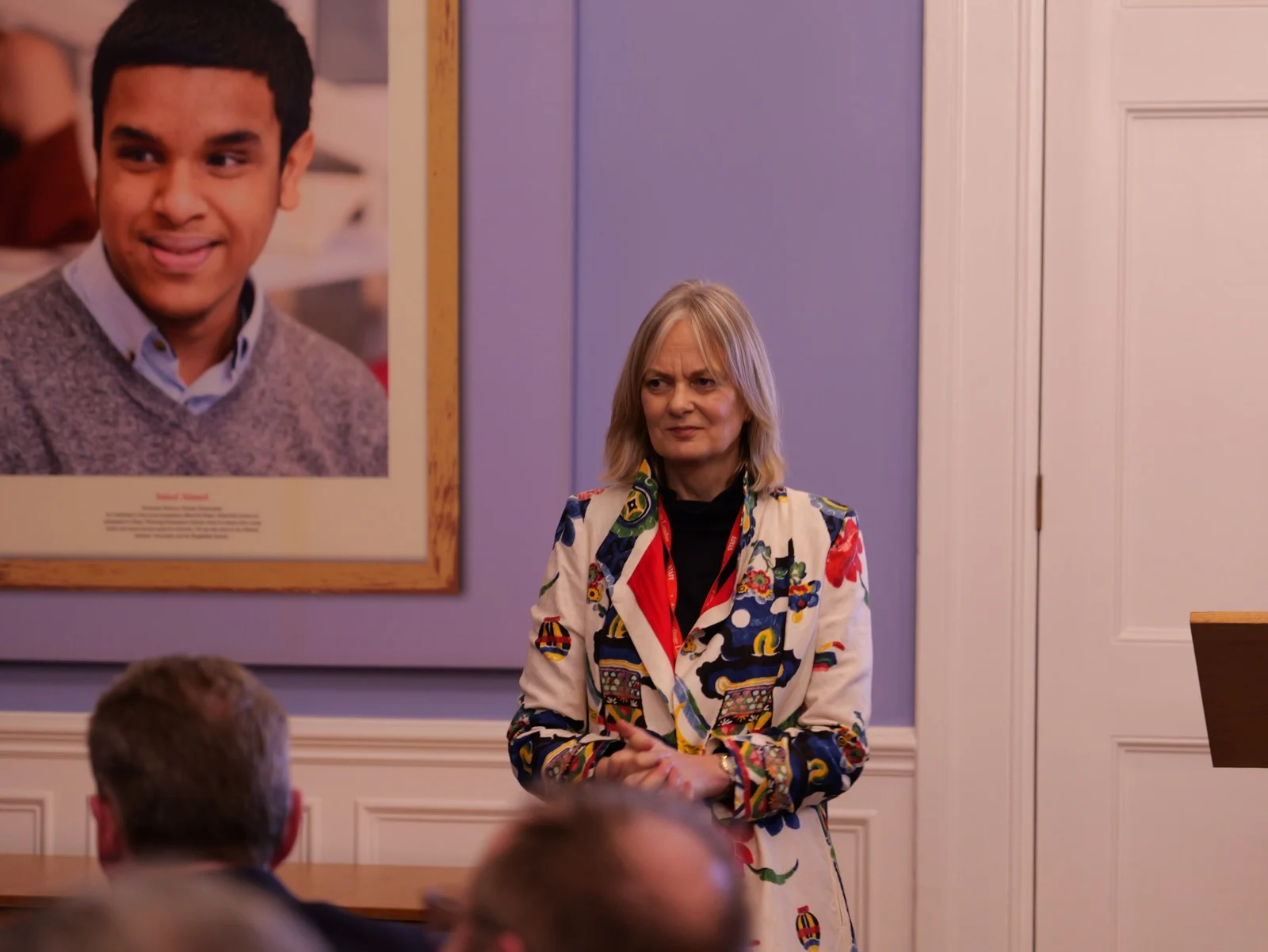
If you visit the Department of Theology & Religious Studies (TRS) today, you’ll find a unique environment characterised by openness and cultural exchange. In an ever-more complex world, the approach to teaching doesn’t shy away from politically contentious issues. This, combined with one of the most diverse student bodies in the Arts and Humanities faculty, opens up ‘a space where there can be real freedom of expression on all sides,’ says Professor Woodhead, co-author of A Short History of the Department of Theology & Religious Studies.
‘I had this belief that everyone deserves respect and everyone is complex. I think that King’s affirmed that for me, and understanding more about religious people and practices has given me the knowledge to deflect anyone who thinks otherwise.’
Ned (Religion, Politics & Society, 2019)
Questions for the world today
Religion and politics
This diversity is mirrored in the department’s research. Religion is a powerful way into many of today’s global challenges and conflicts, says Professor Woodhead, and this is reflected in the range of questions TRS researchers are currently grappling with. What is the relationship between the rise of Christian nationalism and right-wing populist movements in Europe and the US, for example? An upcoming conference will look at why young men, in particular, are being attracted to Christianity.
Health and ecology
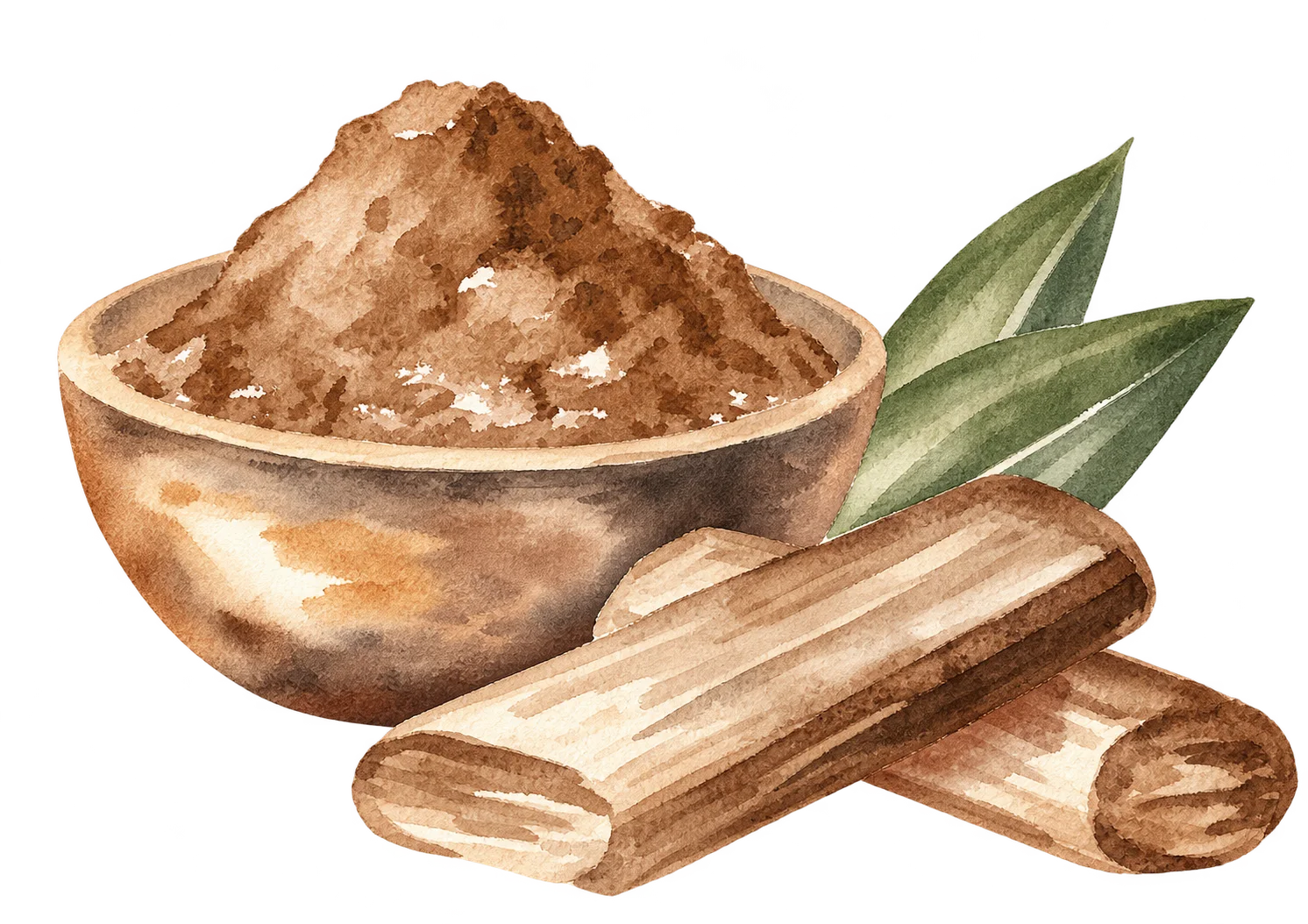
What can the use of plants in the ancient health system of Ayurveda – rooted in Hindu and Buddhist traditions – teach us about building sustainable futures in the practice of health and wellbeing? Dr Karen O’Brien-Kop, Lecturer in Modern Asian Religions, is exploring the role of traditional medicine systems in addressing ecological and ethical challenges in health.
A life lived well
And, according to the pre-modern Sufis, what should we avoid – from idleness to ingratitude to useless knowledge – to achieve happiness? Dr Kazuyo Murata, Senior Lecturer in Islamic Studies, is charting this in her monograph Sufi Recipes for a Life Lived Well.


‘So much a part of London’
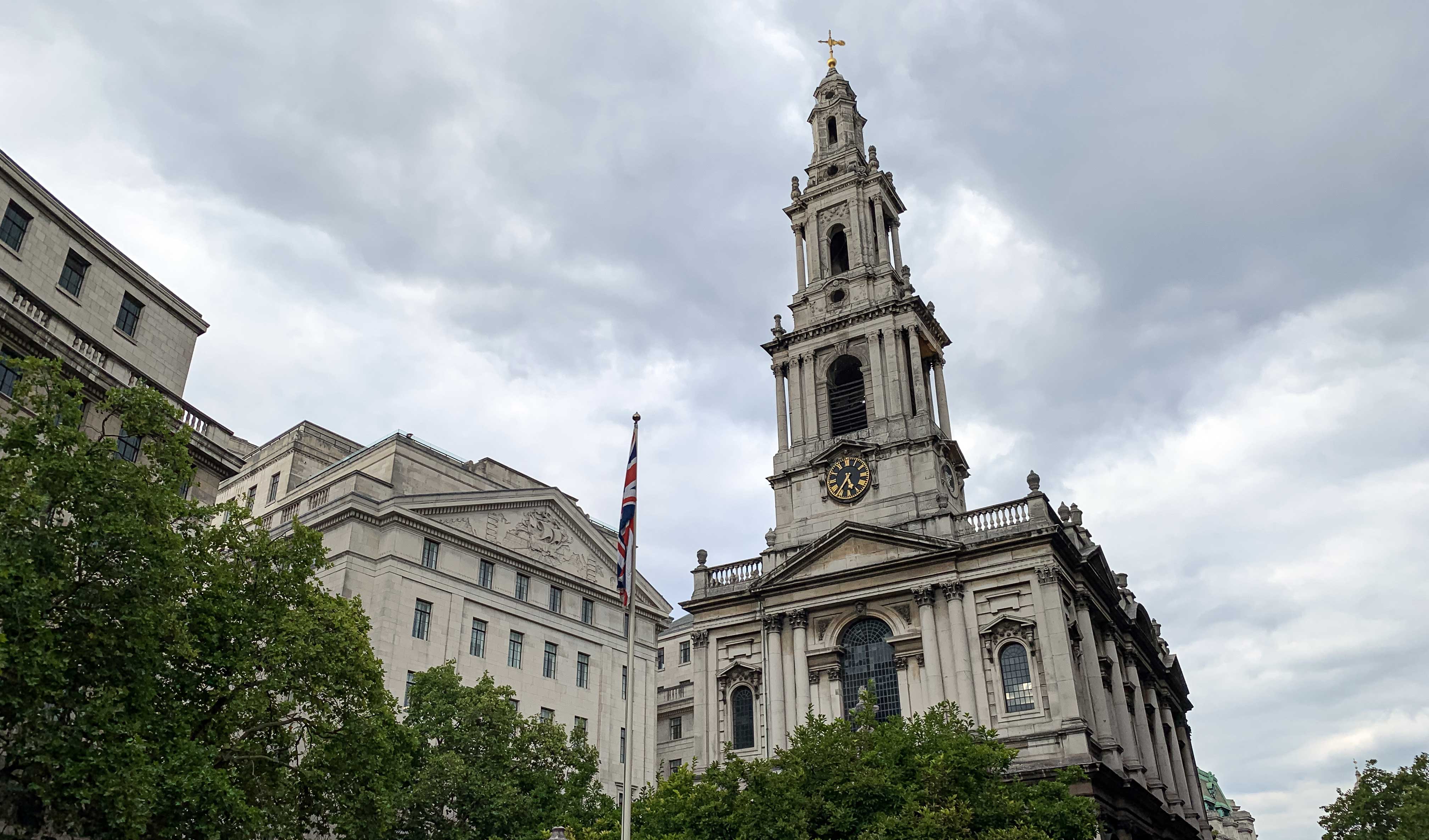
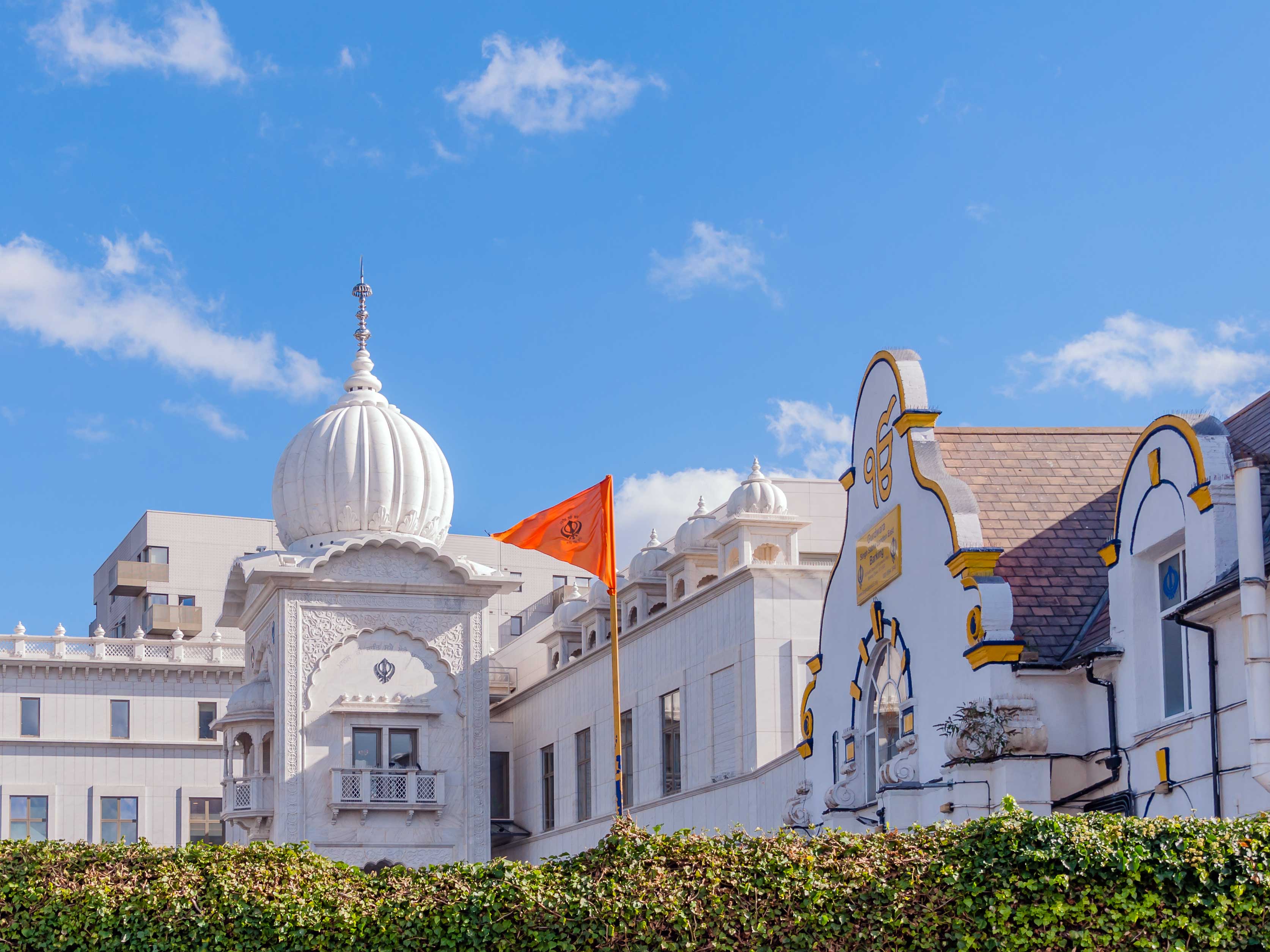
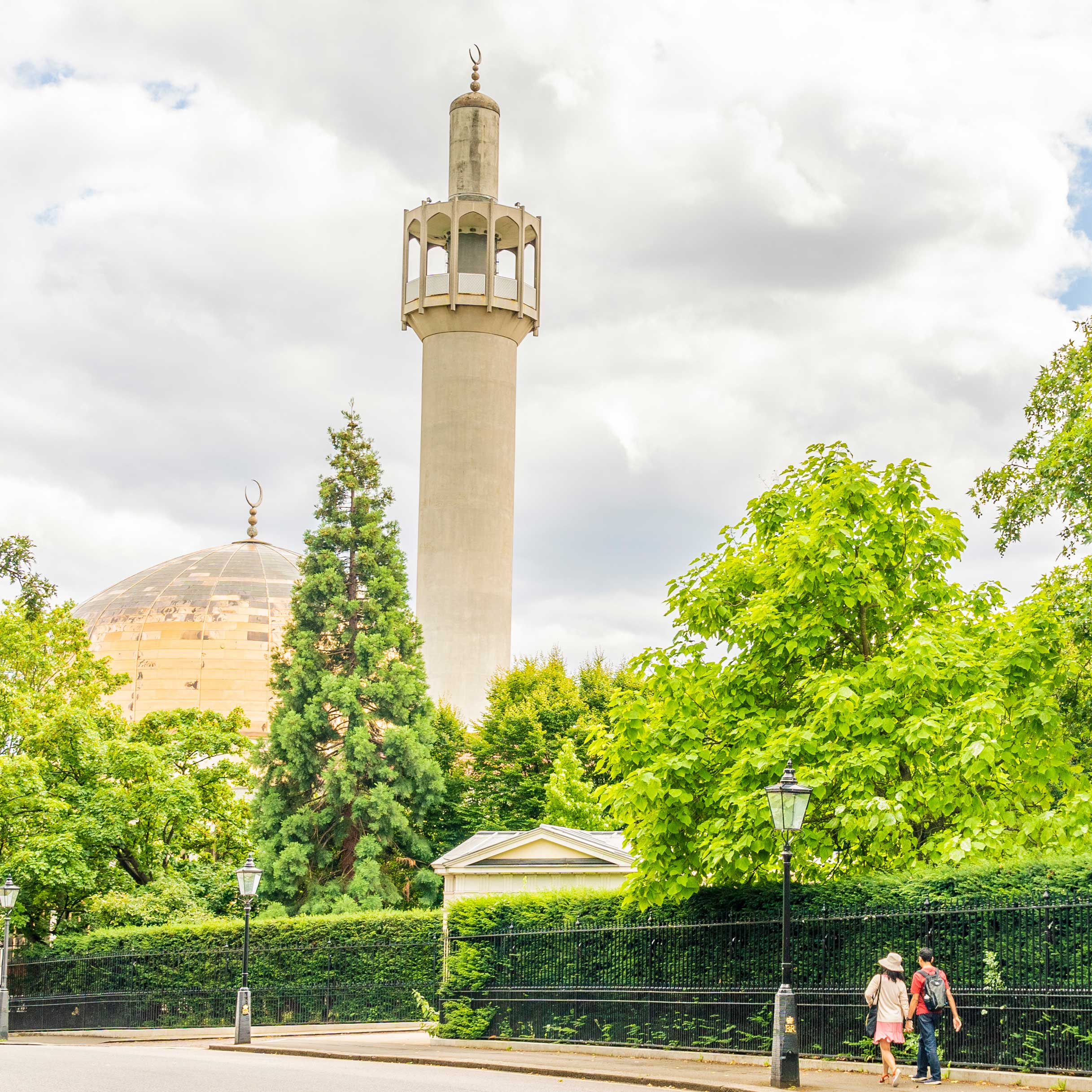
If you are a TRS alum – or any King’s alum – your memories of the department are likely to be bound up with life in the city. As James (Bachelor of Divinity, 1963) says: ‘With the Law Courts just up the road … and the general traffic going down there, it was so much a part of London and Britain. It’s right there. And that was quite formative in its way.’
Students today go out to study London’s myriad traditions, from the Pentecostal churches of the East End to the hundreds of mosques, temples and gurdwaras that make up the city.
At home, the chapel has also been a touchstone for many, particularly those who studied at TRS when it was located on C Corridor (now Floor 2, King’s Building). ‘I remember … going back for a carol service in the Chapel. And looking around and thinking, “yes, this is something that really shaped me in many ways”. It just seems symbolic of what King’s had done,’ says another Bachelor of Divinity and AKC graduate of 1963.
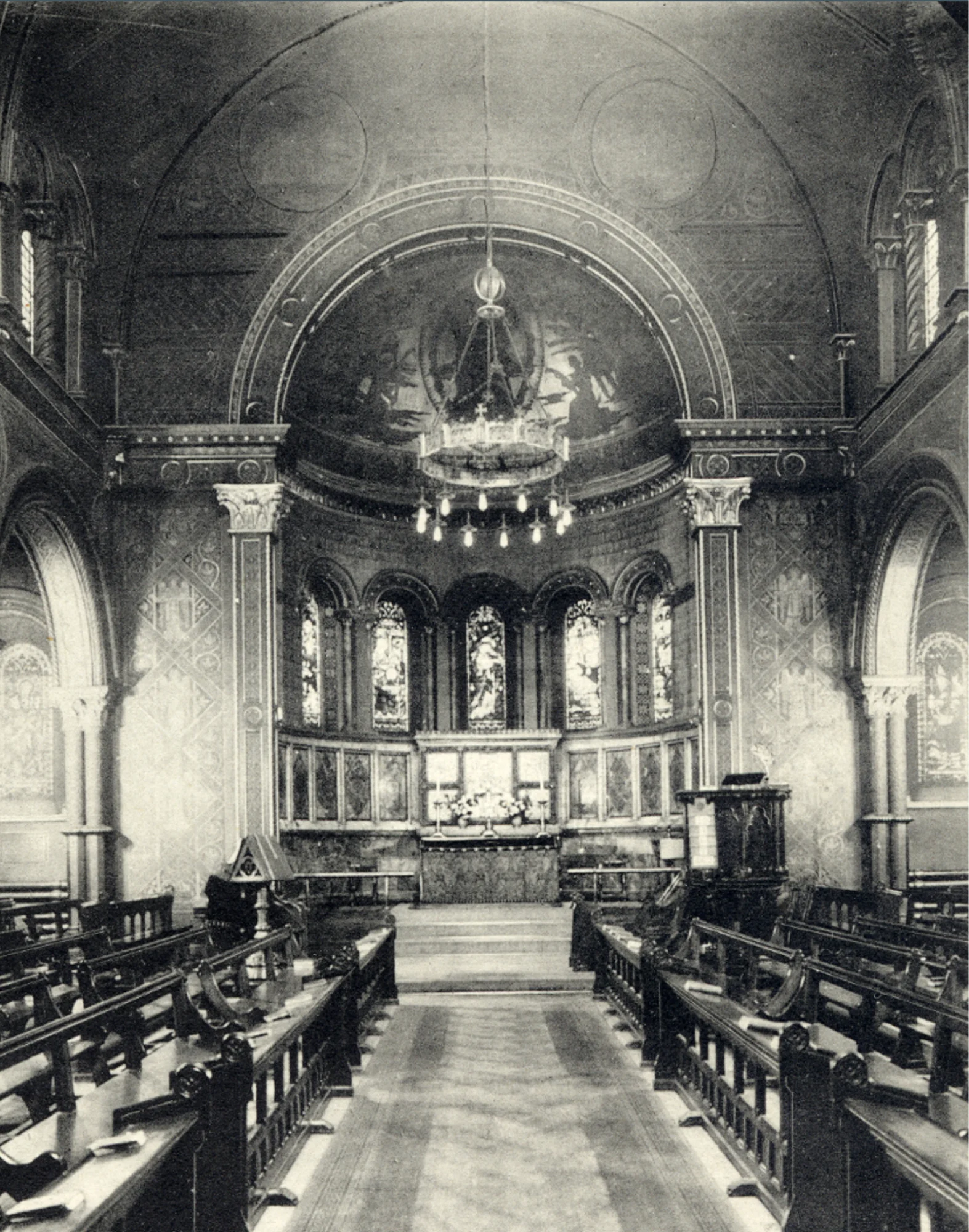
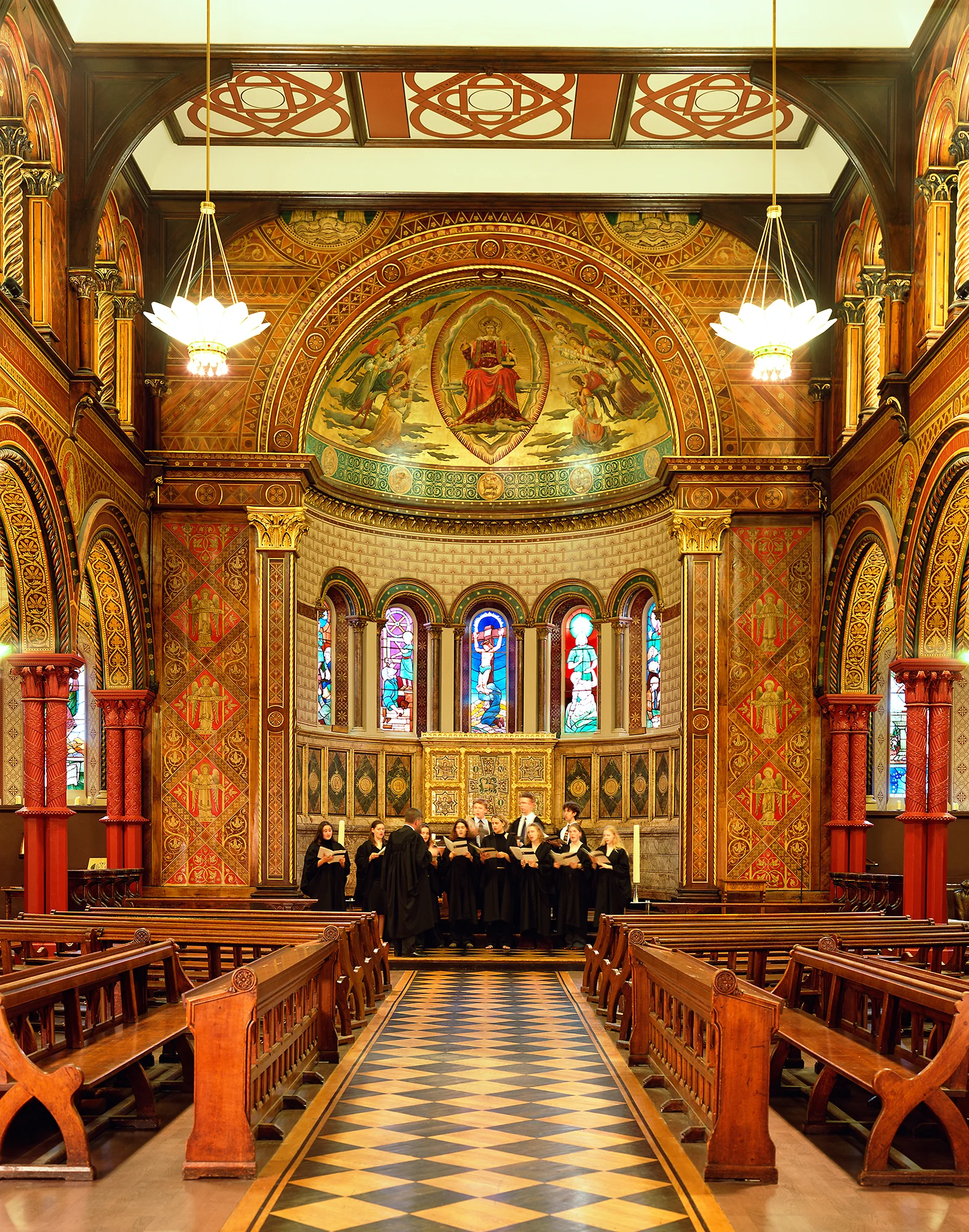
1918 image: King’s College London Archives, K/PH1/2/3
Beyond religious spaces, the Department's Centre for Arts and the Sacred at King’s (ASK) collaborates with galleries like the National Gallery and Courtauld to support the curation of London’s world-leading religious art collections.
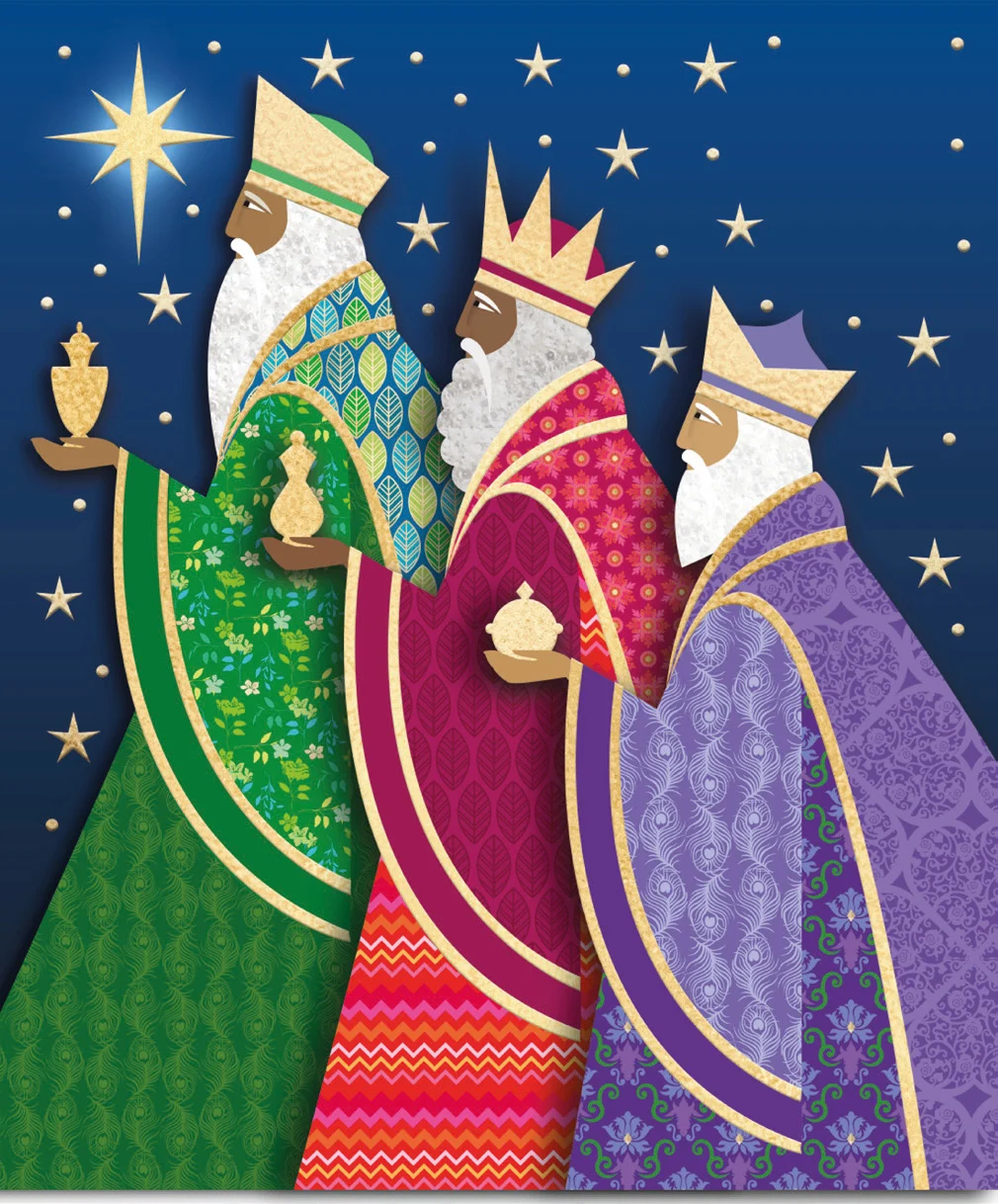
Much of the Centre’s work bridging theology and the visual arts has been enabled by generous philanthropic donors. This includes its Visual Commentary on Scripture, a free public resource that brings both Bible and art to life by curating virtual exhibitions that comprise a biblical passage, three illustrative artworks and expert commentaries. No job is too small for ASK’s researchers, quite literally. Last year, Professor Ben Quash lent his expert advice to Royal Mail on their Christmas stamp designs.
An ongoing legacy
In the early 1900s, as religious and secular education became more clearly separated, a ‘non-theological Associateship of King’s College’ was introduced for students who were not ordinands but who wished to incorporate some study of religion into their degree. The AKC is another legacy of the department that continues today and is now free to all King’s students and alumni. The programme offers a two-year series of extracurricular lectures on topics of ethical, philosophical and religious interest, from mental health to migration to London’s culture and history.

‘Influence ripples out’
The department’s ‘influence ripples out across the world through those who have studied and taught here’, says Professor Woodhead. Its graduates today can be found in all areas, from media and the arts to business and finance, but what unites them is their time spent immersed in ‘deep cultural engagement with different parts of the world’, she says.

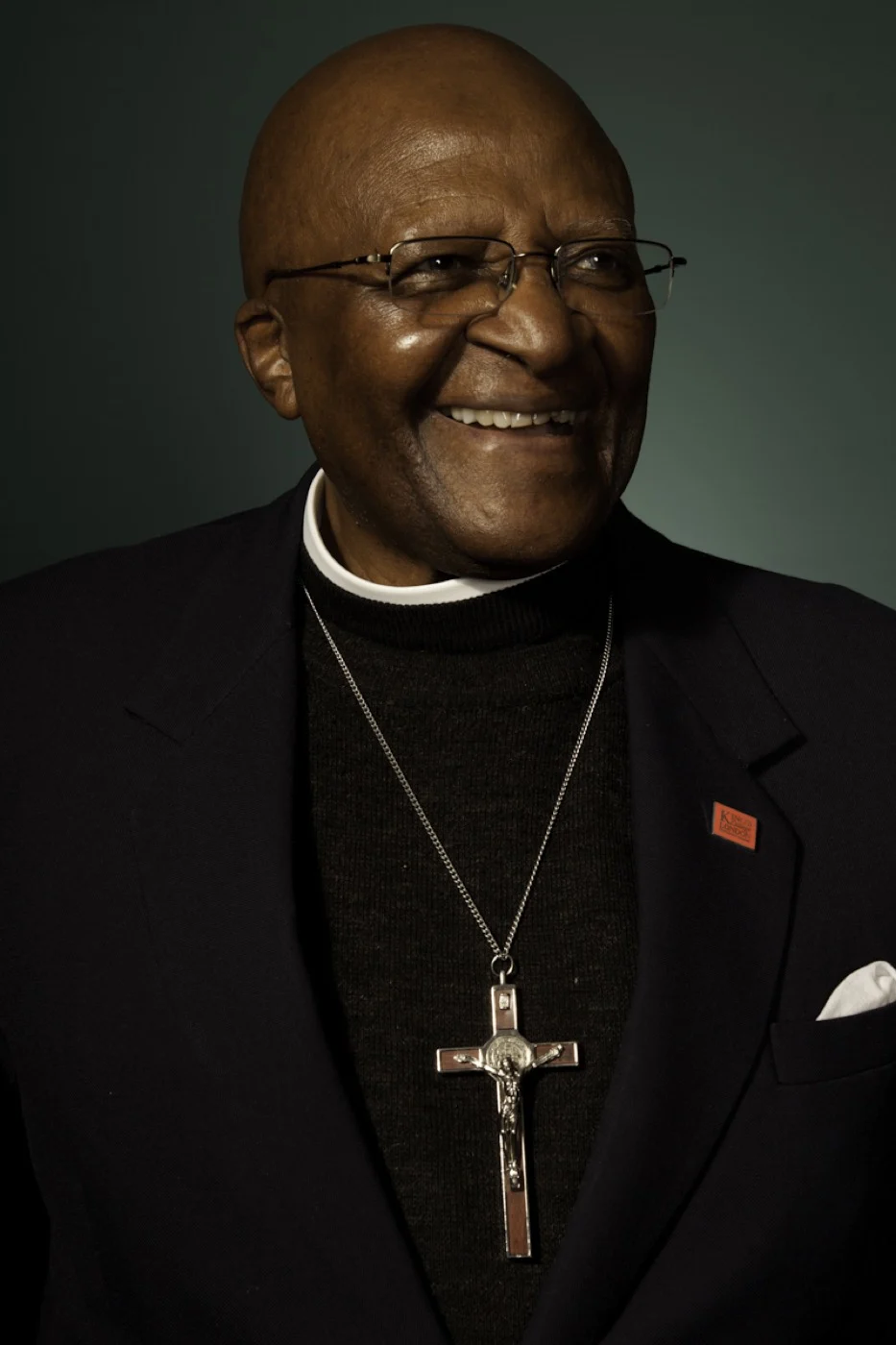
The department’s most famous alum, Anglican bishop, anti-apartheid leader and Nobel Peace Prize winner Desmond Tutu, spoke fondly of his time at King’s on BBC News in 2004:
‘I have wonderful, happy memories. My experience was one of great encouragement and support in my academic studies and an acceptance and warmth from my fellow students. Study opened up a whole new world to me.’
Beyond their impact in the world, TRS alumni are agents of change within the department too, helping the next generation get the most out of their time here. Recently, Jill Lee (Theology, 1957) left a pledge in her Will to create a bursary for female Theology master’s students, opening up access to women who might not otherwise be able to study in the department. This kind of support makes ‘an incredible difference’, Professor Woodhead says.
After 180 years, the department’s work has never felt more important. Amid persistent cultural divisions and rising intolerance, its grounding in ‘equality, sympathy and forgiveness of fellow humans, co-operation and peace and justice’ (George, Bachelor of Divinity, 1982) is a powerful basis for its research and teaching.
Interested to learn more? A Short History of the Department of Theology & Religious Studies, by Professor Linda Woodhead and PhD researcher Sarah Limb, takes a deeper look at the evolution of the department and the voices of its alumni over nearly two centuries of cultural and religious transformation.
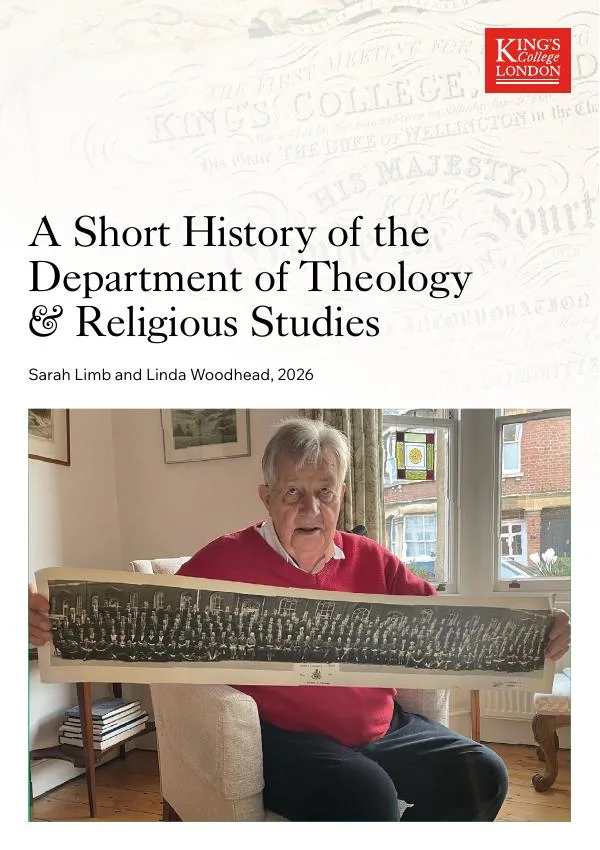
Or, if you would consider leaving a gift in your Will to support the next generation of theology and religious studies students, visit our legacy webpages.
The InTouch Team
Editorial
Ellie Stone
Ben Squire
Writers
Kelly Archer
Emily Barton
Hermione Cameron
Kate Denereaz
Kate Hazlehurst
Joely Langston
Design
Principal design by Jonathan Vickers
Additional design by Harpoon Productions and Carly Yung
Photography by Nathan Clarke and Jim Winslet
With Special Thanks To
Paul Brooks
Rituja Ghosh
JH Norris
Editorial Office
King’s College London
57 Waterloo Road,
London,
SE1 8WA
InTouch is published by the University’s Philanthropy & Alumni Engagement department. The opinions expressed in it are those of the writers and not necessarily those of the University.
If you have a story for our Spring 2027 issue, email us at forever@kcl.ac.uk.
© King’s College London 2026
Terms & Conditions | Privacy Policy | Cookie Policy | Accessibility Statement
The InTouch Team
Editorial
Ben Squire
Ellie Stone
Writers
Kelly Archer
Emily Barton
Hermione Cameron
Kate Denereaz
Kate Hazlehurst
Joely Langston
Design
Principal design by Jonathan Vickers
Additional design by Harpoon Productions and Carly Yung
Photography by Nathan Clarke and Jim Winslet
With Special Thanks To
Paul Brooks
Rituja Ghosh
JH Norris
Editorial Office
King’s College London
57 Waterloo Road,
London,
SE1 8WA
© King’s College London 2026
InTouch is published by the University’s Philanthropy & Alumni Engagement department. The opinions expressed in it are those of the writers and not necessarily those of the University.
If you have a story for our Spring 2027 issue, email us at forever@kcl.ac.uk.
Terms & Conditions | Privacy Policy | Cookie Policy | Accessibility Statement
 Built with Shorthand